You’re considering an investment in AI, and underneath the excitement sits a quiet worry: what if the thing you pay for is obsolete within a year? You’ve watched tools get leapfrogged a month after launch. Spending real budget on something a newer model could make redundant — or free — doesn’t feel smart. It feels like a way to look naïve in front of your board.
That worry is correct. And it’s the exact trap most “we built it with AI” projects walk straight into.
The easy path produces a sandcastle
Here’s the version nearly everyone does. You point a capable model at “build me a marketing website,” and an hour later you have pages, copy, and a colour scheme. It looks like progress.
It usually isn’t. What that produces is a one-off: a pile of generated files held together by whatever the model decided that afternoon. The difference between that and a durable build shows up the moment anything changes:
The disposable artifact
- Generated in one shot; no structure underneath
- Change the nav or add a language? Regenerate and pray
- A better model means starting over
- You rebuild — and re-spend — every model cycle
The durable system
- A foundation that produces the output on demand
- Change once; every page updates with it
- A better model flows straight through into better output
- The investment compounds instead of expiring
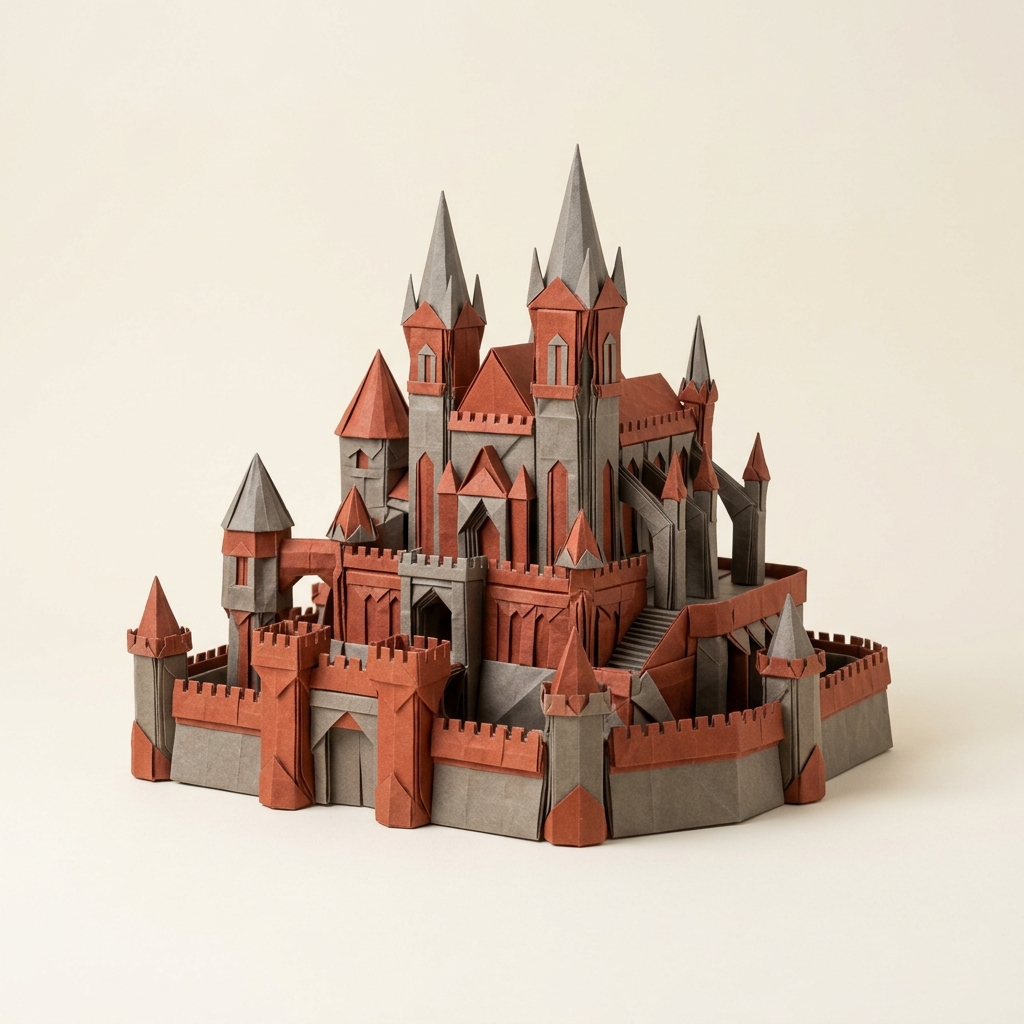
That first column isn’t a website. It’s a sandcastle that photographs well. When I sat down to rebuild this site, my first instinct was to do exactly that — open a blank chat and tell the model, “build the whole thing.” I’m glad I stopped. I faced the same fork you’re facing now, and because I’d rather show you than tell you, this site is the worked example of the path I took instead.
What does “building the durable way” actually look like?
Building the durable way means building a system that produces the site, not the site itself. The artifact is disposable and getting cheaper — that’s the part AI genuinely changed. What stays valuable is the system that produces good outputs on demand and keeps producing them as the tools underneath shift.
A few concrete choices from this actual site, because durability is easy to claim and only convincing in specifics:
- The whole site is static. Every page is plain HTML, generated ahead of time. There is exactly one piece of live machinery — the contact form — and nothing else that can wake up at 2 a.m. Fewer moving parts means less to break, less to maintain, less to rebuild.
- Two languages, one source of truth. The site is bilingual (English and French), but I never maintain two sites. English is the source; the French is an overlay that knows when it has fallen out of date, so the two can’t silently drift apart.
- It was built in named stages, not one prompt. A locked brief, then an architecture plan, then copy, then design, then the build — each stage reviewed before the next. That sequence is reusable; the next site runs the same way.
- Every real decision is written down. When I chose the toolchain or how translation works, I recorded why — the trade-offs, what I rejected. A better model, or a new person, inherits the reasoning, not just the result.
None of that is exotic. It’s ordinary engineering discipline. What AI changed is that this discipline used to be too expensive to bother with on a small project, and now it isn’t.
What is a durable, model-agnostic AI foundation?
A durable, model-agnostic AI foundation is one built so that swapping in a better model improves your results without forcing a rebuild. The model is treated as a replaceable part, not the structure. When the next model ships, it flows straight through into better output — your investment appreciates instead of expiring. That single property is the difference between AI spend that compounds and AI spend you write off.
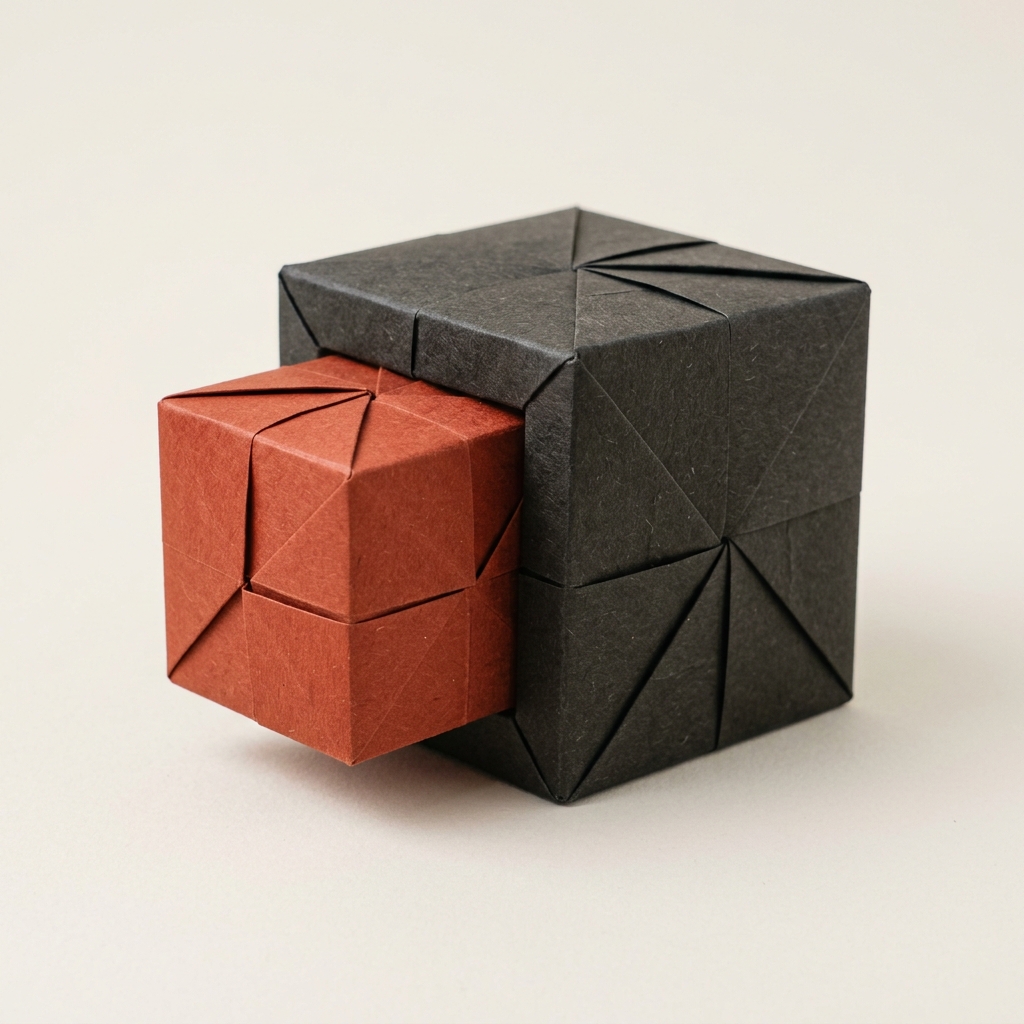
And the next model will ship soon. Frontier models now arrive every few months rather than every few years — a cadence Stanford’s AI Index has documented year over year. Building to today’s specific model is building to a thing with a shelf life measured in weeks.
How do you build AI that compounds instead of expiring?
You don’t need my toolchain to apply the principle. The path is three steps, and it’s the same plan I’d walk any client through:
- Define the durable layer first. Decide what must stay stable — your structure, standards, design system, and the way work gets reviewed. This is the part that outlives any model.
- Let AI produce the disposable outputs. Point the model at narrow, well-framed tasks on top of that layer. Outputs are cheap; generate them freely, knowing the foundation holds them together.
- Keep a human as editor-in-chief. AI does the heavy lifting; a person owns judgement — what ships, what’s true, what’s on-brand. That’s where quality and trust come from.
Follow those three and a new model becomes an upgrade, not a threat.
The real leverage was never the prompt
Here’s the part most “I built it with AI” stories leave out, and it’s the part that transfers to your business. The thing that made this work was not a clever prompt you could paste into a swipe file. It was knowing how to frame the problem so AI could work on it durably: what to decide up front, what to leave to the model, where a human must stand and judge.
That is a meta-skill, and unlike any prompt or tool, it compounds — every project makes the next one faster. It’s the same move whether you’re building a website, turning meeting transcripts into proposals, or automating a report. The surface changes; the skill doesn’t. That’s also why I don’t fear the next release — a new model doesn’t threaten what I built the durable way; it improves it.
Where this leaves you
Using AI to produce a thing is now easy, and largely a commodity. Using it to build a system that keeps producing good things — and gets better as the models do — is the work that pays off for years. The first feels faster on day one. The second is the one still standing on day five hundred. The gap between them is exactly the difference between budget you write off and budget that compounds.
If you’d rather not learn that distinction the expensive way, book a consultation — I’ll map the durable layer for your situation in one conversation. No pitch: you’ll leave with the map whether or not we end up working together. Prefer to build the capability in-house? That’s the other half of what I do: I train your team to do this themselves.
This site is just the version I was willing to show you with the lights on.